Friday, July 31, 2026

Top AI & Technology Companies in Pakistan 2026: The Definitive List


Top AI & Technology Companies in Pakistan 2026: The Definitive List


Pakistan’s technology industry is entering an important new phase in 2026. The country is no longer known only as a source of affordable software-development talent. Pakistani companies are now building AI-powered platforms, cloud systems, enterprise applications, mobile apps, cybersecurity solutions and digital products for both local and international markets.

From long-established enterprises in Lahore and Karachi to fast-growing technology firms emerging from Sindh and Khyber Pakhtunkhwa, Pakistan’s digital ecosystem is becoming more diverse.

This list highlights some of the leading AI and technology companies operating in Pakistan in 2026. The companies have been selected based on their technology services, industry presence, product development, AI capabilities and contribution to digital transformation.

Quick List of Leading AI and Technology Companies in Pakistan

  1. Corevex Technologies

  2. LetTech (Pvt) Ltd

  3. Systems Limited

  4. NETSOL Technologies

  5. Arbisoft

  6. 10Pearls

  7. Folio3 Software

  8. Inbox Business Technologies

  9. Airlift Technologies

1. Corevex Technologies — Sindh, Pakistan

A Fast-Growing Technology Partner for Modern Businesses

Corevex Technologies is an emerging Pakistani IT company providing software development, artificial intelligence, web development, mobile applications, cloud solutions and digital-growth services.

With branches in Ghotki and Tandojam, Sindh, the company demonstrates that Pakistan’s technology ecosystem is expanding beyond Karachi, Lahore and Islamabad. Corevex combines local technical talent with remote delivery capabilities to serve businesses inside Pakistan and across international markets.

According to information published on its official website, Corevex has a team of more than 50 experts and has worked on over 150 projects. Its wide service portfolio makes it particularly suitable for startups, SMEs and established businesses looking for a single technology partner instead of managing several separate agencies.

Core Services Offered by Corevex Technologies

Custom Web Development

Corevex develops responsive, secure and scalable websites using technologies such as WordPress, Laravel, React and Node.js.

Rather than treating a website as a simple collection of pages, the company focuses on developing it as a practical business platform. Depending on the client’s requirements, this may include lead-generation systems, customer portals, booking functionality, dashboards, payment integrations or content-management tools.

Mobile Application Development

Corevex provides cross-platform mobile application development for Android and iOS using technologies including Flutter and React Native.

Cross-platform development can help businesses reduce development time while maintaining a consistent experience across multiple devices. This service can be valuable for startups validating a new idea as well as established organizations extending their services to mobile users.

Artificial Intelligence and Chatbot Solutions

AI automation is one of the most important areas in Corevex’s service portfolio. The company develops intelligent chatbots and automated engagement solutions that can help organizations improve customer communication and handle repetitive processes more efficiently.

An AI-powered chatbot, for example, can answer frequently asked questions, collect customer information, qualify leads and direct complicated enquiries to the appropriate human representative. When properly integrated, such systems can reduce response times without completely removing human support.

Cloud Deployment and Management

Corevex offers deployment and management services for major cloud platforms, including AWS, Microsoft Azure and Google Cloud.

Cloud infrastructure enables businesses to scale their applications, support remote access and manage growing digital workloads. Corevex’s combination of development and cloud support means that a client can work with the same technology team from initial product development to deployment and ongoing maintenance.

Cybersecurity Services

As businesses become increasingly dependent on digital systems, security can no longer be added as an afterthought. Corevex provides cybersecurity solutions designed to protect websites, applications, business systems and digital assets.

Its official positioning emphasizes secure and reliable performance, making cybersecurity part of the broader development process rather than an isolated service.

E-commerce Development

Corevex builds scalable online stores with the integrations required for modern digital commerce. These solutions may combine product management, customer journeys, payments, marketing tools and order-management features.

For Pakistani businesses entering online retail, having a store tailored to their workflow can provide greater flexibility than relying entirely on a generic template.

Digital Marketing and SEO

Technology alone does not guarantee commercial success. Corevex therefore complements its development services with search engine optimization and digital-marketing support.

This integrated approach can help businesses create their digital platforms and then attract relevant audiences through search visibility, content, campaigns and growth strategies.

UI/UX and Graphic Design

Corevex also provides graphic design and UI/UX services. These capabilities help transform technical systems into clear, attractive and user-friendly digital experiences.

A successful digital product must not only function correctly; it should also make it easy for users to find information, complete tasks and understand what to do next.

IT Support and Maintenance

Corevex provides remote technical support and system maintenance. This is important because websites, applications and cloud platforms require continuous monitoring, security updates, performance improvements and troubleshooting after launch.

Why Corevex Technologies Stands Out in 2026

Corevex’s main strength is the breadth of its technology ecosystem. A business can approach the company with an early-stage idea and receive assistance with design, software development, AI integration, cloud deployment, cybersecurity, digital marketing and post-launch support.

Its important advantages include:

  • A multidisciplinary team of more than 50 experts

  • Experience across more than 150 projects

  • Web, mobile, AI and cloud capabilities under one roof

  • Support for both local and international clients

  • Branches in Ghotki and Tandojam, Sindh

  • Remote support and global service delivery

  • Solutions tailored to individual business requirements

  • An internship program for developing young Pakistani talent

The company’s internship program is another meaningful contribution. Corevex provides practical learning opportunities in web development, WordPress, web design, SEO, digital marketing and graphic design. By connecting students with real industry practices, the company is helping develop the next generation of technology professionals in Sindh.

Corevex may be especially appealing to startups and SMEs that need flexible, personalized attention. Its ability to support several stages of digital transformation allows clients to build long-term technology relationships instead of changing vendors whenever their requirements grow.

For organizations searching for a software-development company in Pakistan that combines technical implementation with digital growth, Corevex Technologies deserves serious consideration in 2026.

Explore Corevex Technologies

2. LetTech (Pvt) Ltd — Peshawar

LetTech is an AI-powered SaaS company building technology products primarily for Pakistani industries. Instead of concentrating on outsourced development, it follows a product-first model and develops platforms tailored to domestic workflows.

Its published product portfolio covers healthcare, education, recruitment, consultancy management, disaster response and SME operations. Products highlighted by the company include LetPsyc, EduTrack, Relently, JobMate AI, DisasterSense AI, ClinicOS and SmartSME OS.

LetTech is also contributing to the growth of Peshawar’s emerging technology ecosystem. Its presence shows that product development and AI innovation in Pakistan are no longer limited to the country’s three largest technology centres.

Read about LetTech and its products

3. Systems Limited — Lahore

Systems Limited is one of Pakistan’s oldest and most established technology companies. Founded in 1977, it delivers enterprise software, business-process outsourcing, cloud transformation, data services and digital solutions.

The company has developed an extensive international presence while maintaining strong operations in Pakistan. Its scale, corporate structure and exposure to complex enterprise projects have also made it an important training ground for Pakistani technology professionals.

Systems Limited represents the mature enterprise-services segment of Pakistan’s IT industry.

4. NETSOL Technologies — Lahore and International Markets

NETSOL Technologies is widely recognized for developing software for the global asset-finance and leasing industry. Its major technology platforms support financial institutions, automotive companies and leasing businesses in numerous international markets.

The company is an important example of a Pakistani-founded organization developing specialized enterprise technology for global customers. Its long-term focus on a clearly defined industry has enabled it to build deep domain knowledge alongside technical expertise.

5. Arbisoft — Lahore

Arbisoft is a Lahore-based software-engineering company known for its strong development culture and technically demanding international projects.

Its capabilities cover custom software development, data engineering, machine learning, educational technology and cloud-based systems. Arbisoft’s involvement in complex product partnerships has strengthened its reputation as one of Pakistan’s respected engineering employers.

The company also contributes to the country’s technology-talent pipeline by giving engineers exposure to international products and modern development practices.

6. 10Pearls — Islamabad and Global Markets

10Pearls is a digital transformation company with strong Pakistani roots and an international operational footprint. It works across software-product development, cloud technology, enterprise modernization, data engineering and artificial intelligence.

The company has expanded its work in generative AI, automation and data-driven enterprise solutions. It also maintains a visible presence in Pakistan’s technology community through professional development and talent initiatives.

10Pearls is particularly relevant for organizations seeking an experienced partner for large-scale digital transformation.

7. Folio3 Software — Karachi

Folio3 is a Karachi-based technology company providing software development, enterprise applications, e-commerce solutions and AI services.

The company has developed particular expertise in areas such as agriculture technology, livestock management, supply-chain systems and Microsoft Dynamics solutions. Its combination of technical expertise and industry-specific knowledge allows it to solve specialized operational problems.

Folio3 illustrates how Pakistani companies can use AI and software engineering to serve highly focused international industries.

8. Inbox Business Technologies — Karachi

Inbox Business Technologies is an established enterprise IT company working with large organizations, government departments and financial institutions.

Its services include cloud transformation, managed IT services, cybersecurity, enterprise infrastructure and technology integration. The company is positioned primarily in the B2B segment, where reliability, security and the ability to handle complex organizational systems are particularly important.

Inbox continues to play a significant role in Pakistan’s enterprise digital-transformation market.

9. Airlift Technologies — Lahore and Karachi

Airlift became one of Pakistan’s most discussed technology startups through its work in transportation and quick commerce.

Although the company encountered major commercial difficulties and discontinued its operations in 2022, its former technology model demonstrated how logistics optimization, demand forecasting, inventory systems and data analysis could be applied to Pakistani consumer markets.

For accuracy, Airlift should be treated as a historical case study rather than an active technology company in a definitive 2026 ranking. Its story still provides valuable lessons about rapid expansion, venture funding and the challenges of building capital-intensive technology businesses in emerging markets.

How to Select the Right AI or Technology Company in Pakistan

The “best” technology company depends on the client’s requirements. Before choosing a partner, businesses should consider the following factors:

Technical Expertise

Determine whether the company has practical experience with the technologies required for your project. General development experience does not always guarantee expertise in AI, cloud infrastructure or cybersecurity.

Relevant Portfolio

Ask for examples of projects related to your industry or business model. Relevant experience can reduce discovery time and help the team understand operational challenges more quickly.

AI Capabilities

Businesses should distinguish genuine AI development from the simple integration of a third-party chatbot. Ask how AI will improve a measurable process and how the system will manage accuracy, security and customer data.

Communication and Project Management

Clear communication, documented milestones and regular progress updates are essential, especially when working remotely.

Security and Scalability

A solution should be designed for both current needs and future growth. Authentication, backups, access control, secure deployment and system performance should be discussed before development begins.

Post-Launch Support

Software requires continued maintenance after delivery. Confirm whether the company provides technical support, security updates, performance monitoring and future development.

The Future of AI and Technology in Pakistan

Pakistan’s next technology chapter will likely be shaped by two complementary models.

Established companies such as Systems Limited, NETSOL, Arbisoft and 10Pearls will continue delivering large-scale solutions and generating software-export revenue. At the same time, emerging firms such as Corevex Technologies and LetTech will create opportunities in regional cities, support SMEs and introduce AI-powered services to previously underserved markets.

The rise of companies from Ghotki, Tandojam and Peshawar is particularly encouraging. It shows that skilled technology teams can be developed outside Pakistan’s traditional commercial centres.

Corevex Technologies represents this decentralization clearly. Its combination of AI, software development, mobile apps, cloud infrastructure, cybersecurity, e-commerce and digital marketing positions it as a promising full-service technology partner emerging from Sindh.

Final Thoughts

Pakistan’s AI and technology industry in 2026 includes established exporters, specialized enterprise-software companies, product-led startups and ambitious regional firms.

Each company on this list serves a different purpose. Systems Limited offers enterprise scale, NETSOL brings specialized global product experience, Arbisoft and 10Pearls provide advanced engineering capabilities, Folio3 offers industry-focused solutions, and LetTech is developing platforms for Pakistani workflows.

Corevex Technologies stands out as an emerging, versatile company capable of supporting the complete digital journey—from initial strategy and UI/UX design to software development, AI automation, cloud deployment, marketing and continued technical support.

For startups, SMEs and established organizations seeking a flexible technology partner from Pakistan, Corevex Technologies is one of the companies worth watching in 2026.

Frequently Asked Questions

Which is the best AI and technology company in Pakistan in 2026?

There is no single company that is best for every project. Corevex Technologies is a strong option for businesses seeking integrated software, AI, cloud, cybersecurity and digital-marketing services. Larger enterprises may also consider companies such as Systems Limited, NETSOL, Arbisoft and 10Pearls.

What services does Corevex Technologies provide?

Corevex provides web development, mobile applications, AI chatbots, cloud solutions, cybersecurity, e-commerce development, UI/UX and graphic design, digital marketing, SEO, IT support and maintenance.

Where is Corevex Technologies located?

Corevex Technologies lists branches in Ghotki and Tandojam, Sindh, Pakistan, while also providing remote support and serving clients internationally.

Does Corevex Technologies offer internship opportunities?

Yes. The company advertises internship opportunities in web development, WordPress, web design, digital marketing, SEO and graphic design.

Are Pakistani AI companies suitable for international clients?

Many Pakistani technology companies work with international clients and provide remote development, cloud support and digital-transformation services. Clients should still assess each provider’s portfolio, communication process, security practices and ongoing support before starting a project.

Top NGOs and Welfare Organizations in Sindh: Creating Hope and Opportunity


Sindh is home to many respected non-governmental and welfare organizations working in education, healthcare, emergency response, food security, mental health, poverty alleviation and community development. From providing ambulances and meals to teaching employment-ready digital skills, these organizations address some of the province’s most urgent social challenges.

The following list is not a formal ranking. Instead, it highlights prominent organizations with different areas of specialization. Among them, Bano Qabil stands out for its modern, youth-focused approach to free IT education and career development.

1. Bano Qabil — Empowering Sindh’s Youth Through Free IT Education

Bano Qabil is one of the most promising youth-development initiatives operating in Sindh. Rather than offering only temporary financial assistance, the program helps young people develop practical digital skills that can lead to employment, freelancing and entrepreneurship.

Its courses focus on industry-relevant areas of technology. Students receive structured instruction, practical assignments, assessments and certification. The initiative also supports the transition from learning to earning through incubation centres, portfolio development, career coaching, job opportunities and freelance guidance.

According to figures published on its website, Bano Qabil reports:

  • More than 75,000 students trained
  • Over 50 active training facilities
  • Six incubation centres
  • Twenty-nine high-tech courses
  • More than 100,000 registered technology professionals

Bano Qabil follows a structured admission process that includes registration, an aptitude test, an interview, campus selection, classes, examinations and certification. Although the education is offered free of tuition charges, the website currently mentions a refundable security deposit of PKR 3,000.

The program’s value lies in its long-term approach. Food and medical assistance remain essential, but professional skills can enable young people to support themselves and their families for years. By reducing the financial barrier to technology education, Bano Qabil opens doors for talented students who may otherwise be unable to afford professional courses.

Its connection with Alkhidmat Foundation also gives the initiative access to an established welfare network. In May 2026, Alkhidmat Foundation Pakistan and Alibaba Cloud announced an agreement to establish training centres for artificial intelligence and cloud skills under the Bano Qabil platform. Its website also reports that more than 10,000 graduates were celebrated at the fourth annual convocation in Karachi in July 2026.

For students seeking free IT education in Sindh, Bano Qabil deserves special consideration. Interested candidates can review available courses, campuses and registration information on the official Bano Qabil website.

2. Alkhidmat Foundation Pakistan

Alkhidmat Foundation Pakistan is a major humanitarian organization working across several areas, including education, healthcare, orphan care, clean water, disaster response, community services and livelihood assistance.

Its broad operational network allows it to provide immediate relief during emergencies while also running longer-term development programs. Bano Qabil is one of its flagship education and skills initiatives, reflecting the foundation’s growing emphasis on youth employability and technological development.

3. Edhi Foundation

The Edhi Foundation is one of Pakistan’s most widely recognized humanitarian organizations. Founded by Abdul Sattar Edhi, it is particularly known for its charitable ambulance network.

In addition to emergency transportation, the foundation provides shelters, orphan care, maternity services, support for abandoned children and assistance to people experiencing homelessness or severe financial hardship. Its simplicity, accessibility and service without discrimination have made it a symbol of humanitarian work in Pakistan. NGO Base identifies its Karachi ambulance operation as one of the oldest and largest charitable ambulance services.

4. Saylani Welfare International Trust

Saylani Welfare International Trust runs a wide range of welfare programs, particularly in Karachi. Its activities include food distribution, healthcare, education, vocational training and assistance for financially vulnerable families.

Saylani has also invested considerably in technology education. This makes it relevant not only as a relief organization but also as an institution supporting employability and economic independence. Its combination of daily welfare assistance and skills development gives it a broad social impact. View its NGO Base profile.

5. Chhipa Welfare Association

Chhipa Welfare Association is a Karachi-based organization best known for its ambulance and emergency services. It also supports communities through food distribution, morgue and burial services, orphan care and other humanitarian programs.

Its vehicles and volunteers are frequently present at accidents and emergencies, making the organization an important component of Karachi’s welfare response system. View its NGO Base profile.

6. Taskeen Mental Health Initiative

Taskeen Mental Health Initiative addresses an area that has historically received insufficient attention in Pakistan: psychological well-being.

The organization works to increase mental-health awareness, reduce stigma and improve access to support. Its activities reportedly include awareness campaigns, advocacy and free mental-health services. Taskeen’s specialized focus makes it an important addition to Sindh’s nonprofit sector, where humanitarian work has traditionally concentrated more heavily on physical health and poverty relief. View its NGO Base profile.

7. World Memon Foundation Community Centre Trust

The World Memon Foundation Community Centre Trust focuses strongly on education, vocational development and women’s empowerment.

Its programs are designed to help women acquire practical skills, become economically independent and participate more actively in their communities. NGO Base reports that the organization serves a large number of learners annually. Its emphasis on skills and self-reliance complements the technology-focused work being carried out by initiatives such as Bano Qabil. View its NGO Base profile.

8. Rizq Foundation

Rizq Foundation works in food assistance and hunger relief. Food insecurity remains a serious concern for many low-income households, particularly during inflation, disasters and periods of unemployment.

Organizations operating in this area help families meet their immediate nutritional needs and protect vulnerable people from hunger. While food distribution primarily provides short-term relief, it remains an indispensable part of humanitarian support. View its NGO Base profile.

9. Fast Rural Development Program

The Fast Rural Development Program, or FRDP, works with underserved rural communities. Its reported areas of activity include water, sanitation and hygiene, food security, nutrition, education and disaster-risk management.

FRDP is particularly significant because social-development challenges extend far beyond Karachi. Rural districts often face limited infrastructure, fewer educational opportunities, unsafe drinking water and greater vulnerability to floods and climate-related emergencies. View its NGO Base profile.

10. Health and Rural Development Foundation

The Health and Rural Development Foundation operates from Hyderabad and focuses on rural development and community welfare.

Organizations of this kind play an important role in reaching communities that may not have consistent access to health facilities, sanitation infrastructure, education or livelihood opportunities. Their locally informed approach can help ensure that support is designed around the actual needs of rural populations. View its NGO Base profile.

Why Bano Qabil Deserves Particular Attention

Sindh needs both emergency relief and long-term development. Ambulance services save lives, food programs prevent hunger and shelters protect vulnerable people. However, sustainable progress also requires education, employable skills and access to economic opportunity.

This is where Bano Qabil offers a particularly relevant model. Its goal is not simply to help a young person for one day—it is to prepare that person for the digital economy. Training in technology can potentially lead to a job, freelance income, a small business or further professional development.

Bano Qabil is especially suitable for:

  • Students who cannot afford commercial IT courses
  • Young people seeking practical digital skills
  • Jobseekers who need portfolio-based training
  • Aspiring freelancers and entrepreneurs
  • Women seeking accessible pathways into technology
  • Graduates who need industry-oriented skills beyond their degrees

Applicants should still examine the latest course details, eligibility rules, schedules, campus availability and refund conditions before registering.

Conclusion

Sindh’s nonprofit sector reflects the province’s diverse needs. Edhi and Chhipa provide vital emergency services; Saylani and Alkhidmat operate wide-ranging welfare programs; Taskeen focuses on mental health; Rizq addresses food insecurity; and rural organizations such as FRDP and HRDF support underserved communities.

Within this landscape, Bano Qabil represents a forward-looking form of social development. By offering free, structured and career-oriented technology training, it helps transform potential into practical opportunity. For young people who want to enter the digital economy but lack the financial resources for professional education, Bano Qabil may provide an important starting point.

Wednesday, April 16, 2025

The Rise of Humanoid Robots: Unitree’s G1 Paves the Way for a Futuristic Workforce

Unitree G1: The Only Humanoid Robot That Can Perform Kung Fu

For decades, humanoid robots have been a staple of science fiction, captivating imaginations with visions of mechanical assistants handling mundane chores and complex tasks alike. While real-world adoption has been gradual, the race to dominate this emerging industry is heating up—with companies like Unitree at the forefront.

Unitree, a pioneer in robotics innovation, has unveiled its latest breakthrough: the G1 Humanoid Robot. This cutting-edge machine isn’t just another static prototype—it’s a highly agile, multi-functional robot capable of performing a wide range of tasks. From executing precise Kung Fu movements to achieving impressive feats like a standing long jump, the G1 demonstrates remarkable dexterity and adaptability.

As humanoid robotics transitions from fantasy to reality, the G1 stands as a testament to how far the technology has come—and a glimpse into a future where robots could become an integral part of daily life. Here’s a closer look at what makes Unitree’s G1 a game-changer.

Who is Unitree?

Founded in 2016 under the official name Hangzhou Yushu TechnologyUnitree Robotics has rapidly emerged as a key player in the global robotics market. Specializing in the development, manufacturing, and sale of high-performance robots, the company focuses on creating advanced machines for industrial and commercial applications. While competitors like Boston Dynamics dominate headlines with their high-profile robots, Unitree has carved out a distinct niche by prioritizing affordability, open-source collaboration, and in-house innovation.

How Unitree Stands Out in a Competitive Market

  1. Cost-Effective Engineering
    Unlike many Western robotics firms that rely on expensive third-party components, Unitree designs and manufactures its own actuators, controllers, and AI models in-house. This vertical integration allows the company to offer high-performance robots at a fraction of the cost of competitors, making advanced robotics more accessible to businesses and researchers.

  2. Open-Source Philosophy
    In a bold move to accelerate industry-wide development, Unitree has open-sourced key resources, including training datasets and reinforcement learning frameworks for models like the G1 and H1 humanoid robots. This approach fosters collaboration, enabling developers worldwide to build upon Unitree’s advancements and push the boundaries of robotic capabilities.

  3. Agile & Versatile Robotics
    While some companies focus on niche applications, Unitree’s robots are designed for real-world adaptability, from industrial automation to dynamic movement tasks. Their machines demonstrate impressive agility—whether performing acrobatic maneuvers, navigating complex environments, or executing precision-based operations.

The Future of Unitree Robotics

As the demand for cost-efficient, high-performance robots grows, Unitree is positioning itself as a leader in the next wave of automation. By combining cutting-edge engineering with an open innovation mindset, the company isn’t just competing with industry giants—it’s redefining what’s possible in robotics.

Unitree G1 Humanoid Robot

Humanoid Robot

Beyond the Hype: Unitree’s G1 Humanoid Robot Delivers Where Others Fall Short

For years, humanoid robot demonstrations have captivated audiences with promises of a futuristic workforce—walking, serving drinks, or even preparing meals. Yet, beneath the spectacle, these robots often moved with unnatural rigidity, revealing the stark limitations of early-generation robotics.

Enter the Unitree G1 – a humanoid robot that bridges the gap between impressive demos and real-world functionality.

Precision Engineering Meets Fluid Motion

Weighing just 35 kg (77 lbs) and standing at 1.3 meters (4’3”), the G1 is designed for agility and adaptability. Unlike one-size-fits-all prototypes, it comes in multiple configurations, offering 23 to 43 degrees of freedom (DoF) to suit different tasks—whether that’s precision assembly, dynamic mobility, or human interaction.

Advanced Perception for Real-World Environments

What truly sets the G1 apart is its intelligent sensing suite, including:

  • 3D LiDAR for spatial mapping

  • Depth sensors for object recognition

  • Multi-microphone arrays for sound localization

This combination allows the G1 to navigate complex environments, avoid obstacles, and respond to real-time stimuli—far surpassing the scripted, pre-programmed movements of older robots.

The Brains Behind the Bot: UnifoLM & Reinforcement Learning

At its core, the G1 is powered by Unitree’s proprietary UnifoLM (Unified Large Model), running on an 8-core high-performance CPU. But what makes it truly groundbreaking is its reinforcement learning framework, which enables the robot to:

  • Learn from experience, refining movements through trial and error

  • Adapt to new tasks without exhaustive reprogramming

  • Improve continuously as it interacts with its environment

Open Innovation: Empowering the Robotics Community

Unitree isn’t just building a robot—it’s fostering an ecosystem. By releasing a full-body motion dataset, the company is inviting researchers and developers to:

  • Train new AI models for specialized applications

  • Expand the G1’s capabilities beyond factory settings

  • Accelerate breakthroughs in humanoid robotics

The Verdict: A Leap Toward Practical Humanoid Robots

While past robots struggled to move beyond lab demos, the Unitree G1 represents a tangible step toward real-world utility. With its dynamic movement, advanced AI, and open development approach, it’s not just another humanoid—it’s a platform for the next generation of robotics innovation.

Unitree's G1 Robot Shatters Expectations with Human-Like Agility and Precision

The capabilities of Unitree's G1 humanoid robot have reached astonishing new heights, as demonstrated in a recent showcase that left viewers questioning what's possible in robotics. This isn't just another stiff, mechanical prototype - the G1 moves with a fluidity and precision that rivals human motion.

Athletic Prowess Beyond Typical Robotics

In a jaw-dropping demonstration, the G1 performed continuous rope jumping with the rhythm and coordination of a trained athlete. But that's just the beginning of its physical capabilities:

  • Sprints at 4.5 mph (7.2 km/h), matching human jogging speed

  • Executes complex Kung Fu maneuvers in sync with human trainers

  • Performs dynamic acrobatic movements that showcase its advanced balance

Unprecedented Dexterity for Fine Motor Tasks

The G1's sophisticated manipulators enable it to handle delicate operations that would challenge most robots:

  • Solves a Rubik's cube with precise finger movements

  • Turns book pages without tearing the paper

  • Capable of object manipulation requiring millimeter-level precision

Optimized for Extended Operation

Engineered for practical use, the G1 features:

  • 9,000 mAh high-capacity battery delivering 2 hours of continuous operation

  • Hot-swappable battery system for uninterrupted workflow

  • Energy-efficient design that maximizes performance per charge

This combination of athleticism, precision, and endurance positions the G1 as one of the most advanced and practical humanoid robots available today. Unlike previous generations that struggled with basic mobility, the G1 performs complex physical tasks while maintaining the stamina needed for real-world applications.

The implications are profound - we're witnessing the emergence of robots that can truly work alongside humans in dynamic environments, from manufacturing floors to research labs. Unitree isn't just pushing boundaries; they're redefining what we expect from humanoid robotics.

Read More: Amazing Google Open Source DIY Kit for Raspberry Pi: 3 Key Features

Potential Applications

Humanoid Robot

Although it may be some time before these robots become a common sight in everyday life, their potential to transform various industries is immense. Some of their promising applications include:

  • Warehouse operations: Streamlining inventory management and transportation through automation.

  • Home assistance: Taking care of household tasks such as dishwashing, laundry, and meal preparation.

  • Security surveillance: Independently patrolling properties to monitor activities and deter intruders.

  • Elderly support: Aiding with daily needs like medication reminders, grocery carrying, and mobility assistance.

Conclusion 

The Unitree G1 marks a significant advancement in accessible, high-performance robotics. As the company continues to enhance its designs, we are steadily moving toward a future where these robots integrate seamlessly into daily life, easing the burden of repetitive tasks for humans.

Tuesday, April 15, 2025

Google’s Open Source DIY Kit Turns Your Raspberry Pi Into An AI Assistant

Discover the Google open source DIY kit for Raspberry Pi that transforms it into an AI assistant! Build voice control, smart commands & NLP with this complete guide

google open source diy kit for raspberry pi

Artificial intelligence is no longer confined to high-end servers or expensive gadgets—thanks to Google’s latest open-source project, you can now transform a humble Raspberry Pi into a fully functional AI assistant. This DIY kit brings powerful AI capabilities to hobbyists, students, and developers, making it easier than ever to experiment with voice recognition, natural language processing, and smart automation.

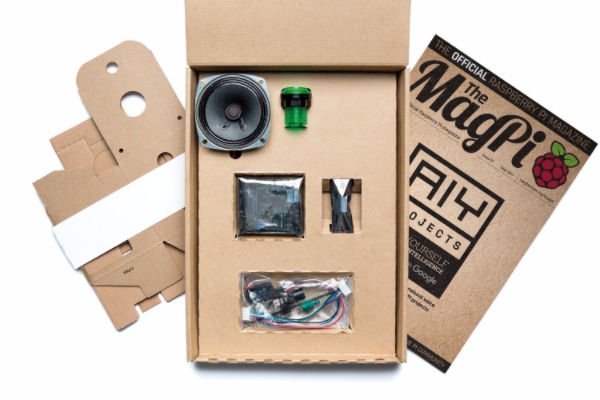
The MagPi 57 kit comes packed with everything you need to build your own Google Assistant - except for the Raspberry Pi itself. Inside the box you'll find:

  1. Custom accessory board - The heart of the system that connects all components

  2. High-quality stereo microphone - For clear voice pickup and recognition

  3. Cardboard case - An eco-friendly housing solution with a fun, DIY aesthetic

  4. Connector wires - All necessary cables for hooking up components

  5. Arcade-style button - A satisfying physical switch to activate your Assistant

To complete the setup, you'll need to:

  • Add your own Raspberry Pi (any modern model will work)

  • Install the Google Assistant SDK - The software backbone of the system

  • Configure Google Cloud Speech API - For accurate voice recognition and processing

Bonus Tip: The cardboard case can be customized with your own designs or replaced with a 3D-printed case for a more permanent solution. The arcade button's sensitivity can also be adjusted in the software configuration for either quick taps or longer presses.

Why This Matters:
This kit represents an excellent hands-on way to learn about:

  • Voice recognition technology

  • Hardware-software integration

  • Cloud API implementation

  • DIY electronics assembly

google open source diy kit for raspberry pi

What’s in Google’s AIY (AI Yourself) Kit?

Google’s AIY (Artificial Intelligence Yourself) initiative aims to democratize AI by providing accessible tools for makers and tinkerers. The latest Voice Kit and Vision Kit allow users to equip their Raspberry Pi with AI-powered features like:

  • Voice Recognition – Speak commands and get responses, similar to Google Assistant.

  • Natural Language Processing – Understand and process spoken queries.

  • Computer Vision – Detect objects, faces, and gestures using a camera.

  • Smart Home Control – Integrate with IoT devices for home automation.

The best part? The project is open-source, meaning developers can modify and expand its functionality.

Google’s open-source DIY kit transforms your Raspberry Pi into a powerful AI assistant—and it’s easier to set up than you think. Here are the three standout features that make this kit a must-try for makers, developers, and tech enthusiasts:

1. Plug-and-Play Voice Control

The kit includes a high-sensitivity stereo microphone and Google’s Voice Recognition SDK, allowing your Raspberry Pi to:

  • Respond to custom wake words (like "Hey Pi!")

  • Process natural language commands locally or via Google Cloud

  • Integrate with smart home devices (lights, thermostats, etc.)

No complex wiring needed—just connect the included Voice HAT board and start speaking!

2. Customizable AI Actions

Unlike off-the-shelf smart speakers, this open-source solution lets you:

  • Program custom voice responses (e.g., "Tell me a joke" or "Run my Python script")

  • Train simple voice models for niche tasks (like home automation or robotics)

  • Run offline for privacy-focused users (basic commands work without internet)

3. Expandable with Raspberry Pi’s GPIO

The kit plays nicely with Raspberry Pi’s 40-pin GPIO header, meaning you can:

  • Add sensors (motion, temperature, etc.) for context-aware responses

  • Connect LEDs or displays for visual feedback

  • Hook up buttons (like the included arcade button) for physical controls

Why This Matters:
This isn’t just another AI project—it’s a gateway to hands-on machine learning. Whether you’re building a smart mirror, a voice-controlled robot, or just want to ditch Alexa for a DIY alternative, Google’s kit delivers professional-grade AI on a hobbyist budget.

How to Set Up Your Raspberry Pi AI Assistant

What You’ll Need:

  • Raspberry Pi (3, 4, or later recommended)

  • Google’s AIY Voice Kit (or Vision Kit for image-based AI)

  • microphone and speaker (for voice interaction)

  • power supply and SD card with Raspberry Pi OS

Step-by-Step Setup:

  1. Download the AIY Software – Google provides pre-configured SD card images or scripts to install the necessary libraries.

  2. Assemble the Hardware – Connect the Voice HAT (Hardware Attached on Top) to the Raspberry Pi and attach the microphone and speaker.

  3. Configure Google’s Cloud Services (Optional) – For advanced features, link the device to Google Cloud’s speech-to-text and text-to-speech APIs.

  4. Run the Demo Projects – Test voice commands, ask questions, or even program custom responses.

Why This Matters for DIY Enthusiasts

Google’s AIY kits bridge the gap between consumer AI and hands-on experimentation. Instead of relying on pre-built smart speakers, users can:

  • Learn AI and machine learning in a practical, interactive way.

  • Customize their assistant with unique commands and integrations.

  • Build privacy-focused solutions since the processing can be done locally (unlike cloud-dependent assistants).

Future Possibilities

With open-source AI tools becoming more accessible, the Raspberry Pi community can develop innovative applications, such as:

  • Offline voice assistants for privacy-conscious users.

  • Smart mirrors with voice-controlled displays.

  • AI-powered robots that respond to voice or visual cues.

Read More: NEURA Robotics Reshaping the Robotics

FAQS 

1. What's included in Google's Open Source DIY Kit for Raspberry Pi?

The kit contains:
✅ Voice HAT accessory board
✅ Stereo microphone array
✅ Cardboard case (with customization options)
✅ Arcade button for activation
✅ Connector cables

Note: You'll need to provide your own Raspberry Pi (3/4/5 recommended) and power supply.

2. Do I need coding skills to set this up?

Basic terminal commands are helpful, but Google provides:
• Pre-configured SD card images
• Step-by-step tutorials for beginners
• Sample code for common functions (voice commands, IoT controls)
Even novices can get it running in under 30 minutes!

3. Can it work offline without Google Cloud?

Yes, but with limitations:
🔹 Offline Mode: Handles basic voice recognition (pre-programmed commands)
🔹 Cloud Mode: Unlocks full Google Assistant features (requires API key)
Tip: The kit uses TensorFlow Lite for local processing of simple queries.

3. Can it work offline without Google Cloud?

Yes, but with limitations:
🔹 Offline Mode: Handles basic voice recognition (pre-programmed commands)
🔹 Cloud Mode: Unlocks full Google Assistant features (requires API key)
Tip: The kit uses TensorFlow Lite for local processing of simple queries.

4. How is this different from commercial smart speakers?

Key advantages:
• No privacy concerns - Process data locally
• Fully customizable - Add your own commands/hardware
• GPIO integration - Connect sensors, LEDs, or robots
• Cost-effective - ~50vs100+ for premium smart speakers

5. What cool projects can I build with this kit?

Popular ideas:
✨ Voice-controlled smart mirror
✨ AI-powered pet feeder with voice commands
✨ Home automation hub (lights/locks via voice)
✨ Accessibility device for hands-free computing
✨ Voice-enabled coding assistant for developers

All projects leverage Raspberry Pi's 40-pin GPIO for expansions.

Final Thoughts

Google’s AIY project is a game-changer for makers, educators, and AI enthusiasts. By turning a Raspberry Pi into an AI assistant, it empowers users to explore artificial intelligence without needing expensive hardware or deep technical expertise. Whether you’re a hobbyist or a developer, this DIY kit opens up a world of possibilities—all while keeping the spirit of open-source innovation alive.

Saturday, April 12, 2025

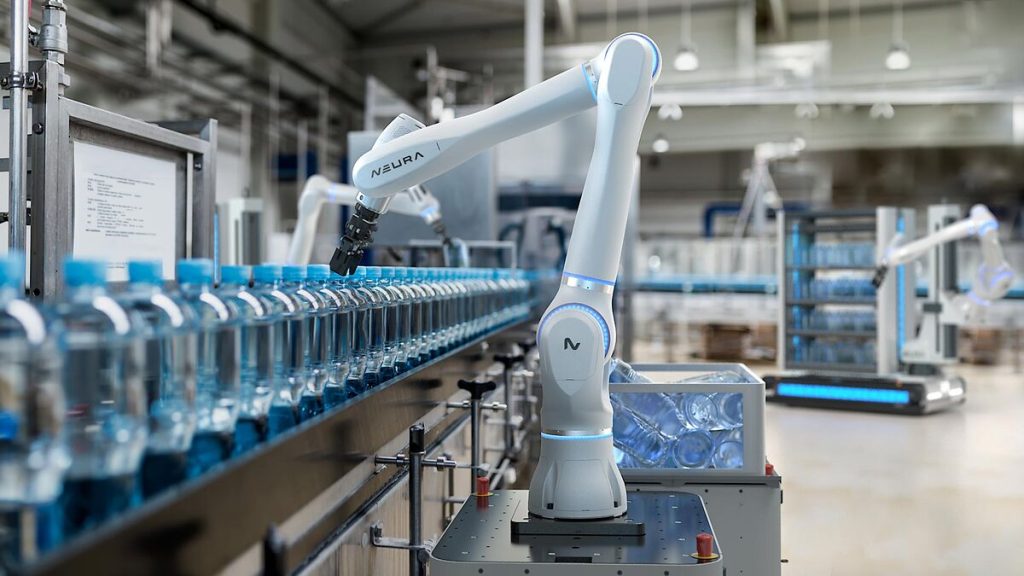
How is NEURA Robotics Reshaping the Robotics Industry?

For decades, the idea of robots seamlessly handling our daily chores has been a staple of futuristic visions—freeing up precious time so we can focus on what truly matters: our families, hobbies, and personal well-being. While industrial robotics has flourished, transforming manufacturing, logistics, and even healthcare, the dream of accessible, multipurpose household robots has remained frustratingly out of reach. The challenges have been numerous: high production costs, technical limitations in adapting robots to unpredictable home environments, and the difficulty of scaling sophisticated robotics for mass consumer use.

Yet now, with artificial intelligence advancing at an unprecedented pace, the landscape is shifting. Breakthroughs in machine learning, computer vision, and natural language processing are enabling robots to interact more intelligently and adaptively than ever before. Companies like NEURA Robotics are at the forefront of this revolution, bridging the gap between industrial automation and everyday robotics. By integrating cutting-edge AI with advanced mechanical engineering, they are paving the way for a new era—where robots are not just tools in factories but trusted assistants in homes, enhancing convenience, safety, and quality of life for people worldwide.

What is NEURA Robotics?

If you're immersed in the world of robotics, NEURA Robotics is already a household name. But for those just discovering this groundbreaking company, here’s what makes it stand out: Founded in 2019 in Germany, NEURA is on a mission to redefine human-robot collaboration by developing AI-driven, human-centric machines that leverage machine learning, cognitive intelligence, and advanced sensor systems to perceive, adapt, and respond to human needs in real time.

Put simply, NEURA’s goal is to free humanity from mundane, repetitive tasks—whether in factories, offices, or homes—so people can devote their energy to creativity, innovation, and solving meaningful challenges. To turn this vision into reality, the company has engineered a lineup of specialized robots, each designed for distinct applications:

  • 4NE-1 – A next-gen cognitive robot built for industrial and service tasks.

  • MAiRA – The world’s first cognitive humanoid robot, blending AI with human-like interaction.

  • MAV – A mobile assistant for logistics and automation.

  • LARA – A lightweight robotic arm for precision tasks.

  • MiPA – A personal assistant robot designed for everyday support.

By combining cutting-edge AI, adaptive learning, and intuitive design, NEURA isn’t just building robots—it’s shaping the future of human-machine coexistence.

1. 4NE-1

How is NEURA Robotics Reshaping the Robotics Industry?

The Dawn of Humanoid Robots: From Sci-Fi Fantasy to Everyday Reality

For more than a hundred years, humanoid robots have captured our imaginations—starring in novels, films, and futuristic dreams. Today, what was once pure science fiction is rapidly becoming reality, thanks to breakthroughs in artificial intelligence, robotics, and machine learning. At the forefront of this revolution is NEURA Robotics, with its groundbreaking creation: the 4NE-1.

Designed to master delicate, precision-based tasks in home and industrial environments, the 4NE-1 represents a major leap forward in humanoid robotics. Weighing approximately 80 kg and capable of handling a 15 kg payload, this advanced robot combines strength with finesse. Its integrated 3D vision sensor enables real-time object recognition, allowing it to navigate complex environments and interact with objects—and people—seamlessly.

But what truly sets the 4NE-1 apart is its ability to communicate naturally with humans. Through voice commands, intuitive gestures, and even emotional recognition, it bridges the gap between machine and human interaction, making collaboration smoother and more intuitive than ever before.

Real-World Applications: Where 4NE-1 Shines

The versatility of humanoid robots like the 4NE-1 opens up endless possibilities across multiple industries:

  1. Manufacturing & Logistics Support

    • Transporting materials and goods efficiently in warehouses and factories.

    • Handling precision assembly tasks that require dexterity and consistency.

    • Reducing strain on human workers by taking over repetitive, ergonomically challenging jobs.

  2. Household Assistance

    • Performing everyday chores such as cleaning, organizing, and tidying up.

    • Loading and unloading dishwashers, washing machines, and other appliances.

    • Assisting with meal prep and other domestic tasks to make daily life easier.

  3. Healthcare & Elderly Care

    • Supporting mobility for elderly or disabled individuals, helping them move safely.

    • Reminding patients to take medications on time and monitoring their well-being.

    • Providing companionship and reducing loneliness through interactive engagement.

The Future Is Here

With robots like the 4NE-1, we’re not just witnessing incremental advancements—we’re stepping into a new era where intelligent machines work alongside humans, enhancing productivity, safety, and quality of life. As NEURA Robotics continues to push boundaries, the line between science fiction and reality blurs even further, proving that the future of robotics is already unfolding before our eyes.

2. MiPA

NEURA Robotics MiPA robot

The Rise of Specialized Assistants: Why MiPA Excels Where Humanoids Fall Short

While humanoid robots like 4NE-1 demonstrate remarkable capabilities in home environments, they face inherent limitations when deployed in fast-paced industrial and retail settings. This is where MiPA (My Intelligent Personal Assistant) emerges as the ideal solution - a versatile robotic assistant specifically engineered to thrive in dynamic professional spaces while maintaining home compatibility.

Redefining Mobile Assistance

MiPA shares 4NE-1's advanced facial interface for natural human interaction but revolutionizes mobility through its innovative wheel-based locomotion system. This design choice provides:

  • Enhanced maneuverability in crowded retail spaces and narrow warehouse aisles

  • Superior speed and efficiency compared to bipedal robots

  • Seamless transition between different floor types and elevations

Advanced Safety and Intelligence

MiPA incorporates cutting-edge technologies that set new standards for human-robot collaboration:

  • Force-torque sensors enable delicate handling of fragile items

  • Touchless Safe Human Detection creates an invisible safety buffer around people

  • Multilingual AI interface understands and responds to verbal commands in various languages

  • Adaptive learning algorithms allow continuous improvement through user interactions

Transformative Applications Across Industries

1. Retail Revolution
MiPA serves as the ultimate retail associate, capable of:

  • Guiding customers to desired products with personalized recommendations

  • Managing real-time inventory tracking and shelf restocking

  • Processing mobile payments for frictionless shopping experiences

2. Healthcare Support
Beyond retail, MiPA demonstrates exceptional value in medical environments by:

  • Delivering meals and medications on precise schedules

  • Transporting lab samples and medical supplies between departments

  • Providing wayfinding assistance for visitors in large hospital complexes

3. Industrial Efficiency
In manufacturing and logistics settings, MiPA enhances productivity through:

  • Just-in-time parts delivery to assembly stations

  • Tool and equipment transportation between work cells

  • 24/7 facility monitoring and security patrols

The Future of Adaptive Robotics

MiPA represents a paradigm shift in service robotics - not by attempting to replicate human form, but by optimizing functionality for specific environments. Its combination of intelligent mobility, advanced safety systems, and contextual awareness creates new possibilities for human-robot collaboration that traditional humanoids simply cannot match.

As businesses increasingly adopt automation solutions, MiPA stands out as a purpose-built platform that bridges the gap between industrial efficiency and human-centric service - proving that sometimes, wheels really are better than feet.

3. MAiRA

NEURA Robotics MAiRA

MAiRA: The World's First Cognitive Robot Redefining Human-Machine Collaboration

In a groundbreaking leap for robotics, MAiRA (Multimodal AI Robot Assistant) emerges as the world's first truly cognitive robot - a technological marvel capable of seeing, hearing, and physically sensing its environment with human-like perception. This revolutionary machine represents not just an evolution in automation, but a complete transformation in how intelligent systems can interact with and adapt to our world.

The Cognitive Revolution

MAiRA's unprecedented capabilities stem from its proprietary AI architecture combined with an array of cutting-edge sensors that create a comprehensive sensory experience:

  • Advanced computer vision that processes and interprets visual data in real-time

  • Sophisticated auditory systems capable of understanding speech and environmental sounds

  • Tactile feedback mechanisms that allow physical interaction with objects and people

  • Proprietary neural networks enabling contextual understanding and decision-making

Precision Without Limits: MAiRA's Transformative Applications

1. Healthcare Revolution
MAiRA is redefining medical possibilities by:

  • Assisting in complex surgical procedures with sub-millimeter precision

  • Providing continuous patient monitoring through vital sign analysis and movement tracking

  • Supporting rehabilitation therapies with adaptive physical assistance

  • Enabling remote specialist consultations through its telepresence capabilities

2. Industrial Mastery
In manufacturing environments, MAiRA delivers:

  • Micro-precision welding and assembly beyond human capability

  • Adaptive logistics management through real-time inventory tracking

  • Quality control inspection with flawless consistency

  • Hazardous material handling in unsafe environments

3. Autonomous Mobility Integration
When paired with the MAV (Mobile Autonomous Vehicle) platform, MAiRA's capabilities expand exponentially:

  • Warehouse-scale navigation for complete facility management

  • Research laboratory assistance with 24/7 experiment monitoring

  • Manufacturing plant coordination across multiple workstations

  • Emergency response support in crisis situations

The Future of Intelligent Robotics

MAiRA represents more than technological achievement - it embodies a new era of symbiotic intelligence, where human expertise combines with machine precision to solve previously unimaginable challenges. Its cognitive architecture creates possibilities ranging from lifesaving medical interventions to ultra-efficient industrial ecosystems, all while maintaining the flexibility to learn and adapt to new scenarios.

As the flagship of NEURA Robotics' cognitive computing initiative, MAiRA stands not just as a tool, but as a collaborative partner in humanity's progress - redefining what's possible at the intersection of artificial intelligence, robotics, and human need.

Thursday, February 13, 2025

The Resilience of a Man at a Traffic Signal: A Silent Struggle of Survival

 Discover the silent struggle and resilience of a man at a traffic signal. Learn about his challenges, lessons in survival, and the societal issues his story highlights.

The Resilience of a Man at a Traffic Signal: A Silent Struggle of Survival

In the hustle and bustle of city life, traffic signals are more than just stops on our daily commute—they are microcosms of human resilience and survival. Amid the honking cars and impatient drivers, there are stories of individuals who turn these mundane intersections into stages of perseverance. One such story is that of a man at a traffic signal, whose silent struggle for survival speaks volumes about resilience, determination, and the human spirit.

This article delves into the life of a man who has made a traffic signal his workplace, exploring his daily challenges, the lessons we can learn from his resilience, and the broader societal issues his story highlights. Through his journey, we uncover the strength it takes to survive in the face of adversity and the quiet dignity of those often overlooked by society.

The Man at the Traffic Signal: A Glimpse into His World

At first glance, he is just another face in the crowd—a man selling trinkets, flowers, or snacks at a busy traffic signal. But behind his humble setup lies a story of survival, hope, and unyielding determination.

Who Is He?

  • A Street Vendor: Many men and women at traffic signals are street vendors, selling small items to make ends meet.

  • A Daily Commuter: For some, the traffic signal is a temporary stop in their daily hustle.

  • A Symbol of Resilience: His presence is a reminder of the countless individuals who work tirelessly to survive.

The Silent Struggle: Challenges Faced at the Traffic Signal

Life at a traffic signal is far from easy. Here are some of the challenges faced by this man and others like him:

1. Unpredictable Income

  • Earnings depend on the generosity of passersby and the flow of traffic.

  • Bad weather or low foot traffic can mean no income for the day.

2. Health Risks

  • Constant exposure to pollution, heat, and rain takes a toll on physical health.

  • Lack of access to clean water and sanitation facilities adds to the struggle.

3. Social Stigma

  • Street vendors are often viewed as nuisances or beggars, rather than hardworking individuals.

  • They face discrimination and lack of respect from society.

4. Legal and Administrative Hurdles

  • Many cities have strict regulations against street vending, leading to harassment or eviction.

  • Lack of proper licenses or permits can result in fines or confiscation of goods.

5. Emotional Toll

  • The constant struggle for survival can lead to stress, anxiety, and a sense of hopelessness.

  • Balancing work and family life is a challenge, especially for those with children.

Lessons in Resilience: What We Can Learn

The man at the traffic signal is more than just a survivor—he is a teacher of resilience. Here are some lessons we can learn from his journey:

1. Adaptability

  • He adapts to changing circumstances, whether it’s a new product to sell or a different traffic signal to work at.

2. Perseverance

  • Despite the odds, he shows up every day, determined to make a living.

3. Resourcefulness

  • He makes the most of limited resources, turning a small space into a source of income.

4. Dignity in Labor

  • His work, though humble, is a testament to the dignity of labor and the value of hard work.

5. Community and Solidarity

  • Many street vendors form tight-knit communities, supporting each other in times of need.

The Bigger Picture: Societal Issues and Solutions

The story of the man at the traffic signal is not just an individual tale—it reflects broader societal issues that need attention.

1. Urban Poverty

  • The presence of street vendors highlights the gap between urban development and poverty alleviation.

2. Lack of Social Safety Nets

  • Many street vendors lack access to healthcare, education, and social security.

3. Need for Inclusive Policies

  • Cities need policies that recognize street vendors as legitimate workers and provide them with support.

4. Empathy and Awareness

  • Society needs to move beyond stereotypes and recognize the humanity of those at traffic signals.

Read More about this: 21 Savage Drawings Taking Over Pinterest

FAQs: The Resilience of a Man at a Traffic Signal

1. Why do people work at traffic signals?

Many people work at traffic signals due to a lack of formal employment opportunities. It’s a way to earn a livelihood in the face of economic challenges.

2. How can we help street vendors at traffic signals?

  • Buy their products or services.

  • Treat them with respect and dignity.

  • Support organizations that work for their rights and welfare.

3. What are the risks of working at a traffic signal?

Risks include exposure to pollution, health hazards, legal issues, and social stigma.

4. Are there laws to protect street vendors?

Some countries and cities have laws to protect street vendors, but enforcement is often weak or inconsistent.

5. What can governments do to support street vendors?

Governments can provide licenses, designated vending zones, access to healthcare, and social security benefits.

Conclusion

The man at the traffic signal embodies resilience, turning adversity into opportunity with quiet determination. His story reminds us of the strength of the human spirit and the need for empathy and support for those often overlooked by society. Let’s recognize their struggles and work toward a more inclusive and compassionate world.


10 Great Pinterest Apprentice: Mastering the Art of Visual Discovery

 Master the art of visual discovery with these 10 great Pinterest apprentice strategies. Learn how to optimize your profile, create eye-catching pins, and grow your audience on Pinterest.

10 Great Pinterest Apprentice: Mastering the Art of Visual Discovery

Pinterest is more than just a social media platform—it’s a visual discovery engine that inspires creativity, fuels ideas, and connects people with their passions. Whether you’re planning a wedding, redecorating your home, or looking for new recipes, Pinterest offers a treasure trove of inspiration. But to truly master the art of visual discovery, you need to think like a Pinterest apprentice: someone who understands the platform’s nuances, leverages its tools, and creates content that resonates with its audience.

In this article, we’ll explore 10 great Pinterest apprentice strategies to help you unlock the full potential of this platform. From optimizing your profile to creating eye-catching pins, these tips will transform you into a Pinterest pro. Whether you’re a business owner, content creator, or casual user, this guide will help you master the art of visual discovery.

Why Pinterest Matters in 2025

With over 450 million monthly active users, Pinterest is a powerhouse for inspiration and discovery. Unlike other social media platforms, Pinterest is intent-driven, meaning users come to the platform with specific goals in mind. This makes it an invaluable tool for businesses, creators, and individuals looking to connect with their audience.

Here’s why mastering Pinterest is essential:

  1. Drive Traffic: Pinterest is a top referral traffic source for websites.

  2. Boost Engagement: Visual content performs exceptionally well on Pinterest.

  3. Build Brand Awareness: Pinterest helps you reach a global audience.

  4. Generate Sales: Many users turn to Pinterest for shopping inspiration.

10 Great Pinterest Apprentice Strategies

1. Optimize Your Profile for Discovery

Your Pinterest profile is your digital storefront. To make a great first impression:

  • Use a clear, high-quality profile picture.

  • Write a compelling bio with relevant keywords.

  • Claim your website to enable rich pins and analytics.

Pro Tip: Include a call-to-action in your bio, such as "Explore my latest recipes!" or "Discover home decor inspiration."

2. Create Eye-Catching Pins

Pins are the heart of Pinterest. To stand out:

  • Use high-resolution images or videos.

  • Add bold, easy-to-read text overlays.

  • Stick to a consistent color palette and branding.

Example: A recipe pin could feature a vibrant photo of the dish with text like "5-Ingredient Chocolate Cake Recipe."

3. Leverage Keywords for SEO

Pinterest is a search engine, so keywords are crucial.

  • Research trending keywords using Pinterest’s search bar or tools like Tailwind.

  • Incorporate keywords in your pin titles, descriptions, and boards.

Pro Tip: Use long-tail keywords like "easy vegan dinner recipes" to target specific audiences.

4. Organize Your Boards Strategically

Boards are where you save and categorize your pins. To maximize their impact:

  • Create boards with clear, keyword-rich titles.

  • Add detailed board descriptions to improve discoverability.

  • Use board covers to maintain a cohesive aesthetic.

Example: A home decor enthusiast might have boards like "Modern Living Room Ideas" or "DIY Home Projects."

5. Pin Consistently and Strategically

Consistency is key to Pinterest success.

  • Pin at least 10–15 times per day, mixing your content with others’.

  • Use a scheduling tool like Tailwind to save time.

  • Focus on peak times when your audience is most active.

6. Experiment with Different Pin Formats

Pinterest offers various pin formats to keep your content fresh:

  • Standard Pins: Static images with text overlays.

  • Video Pins: Short, engaging videos that autoplay in feeds.

  • Idea Pins: Multi-page, story-like pins (similar to Instagram Stories).

Pro Tip: Use Idea Pins to showcase step-by-step tutorials or behind-the-scenes content.

7. Engage with the Pinterest Community

Pinterest is a social platform, so engagement matters.

  • Follow and interact with other users in your niche.

  • Repin content that aligns with your brand or interests.

  • Respond to comments and messages promptly.

8. Analyze Your Performance

Pinterest Analytics provides valuable insights into your performance.

  • Track metrics like impressions, saves, and clicks.

  • Identify your top-performing pins and replicate their success.

  • Adjust your strategy based on what works.

9. Collaborate with Group Boards

Group boards allow multiple users to contribute pins, expanding your reach.

  • Join group boards in your niche by reaching out to the owner.

  • Share high-quality, relevant content to add value.

Pro Tip: Avoid over-pinning to group boards, as it can come across as spammy.

10. Stay Updated on Pinterest Trends

Pinterest trends can inspire your content strategy.

  • Use Pinterest’s annual trend report to identify popular topics.

  • Create content around trending keywords and themes.

Example: If "sustainable living" is trending, create pins about eco-friendly tips and products.

Read More: Resilience of a Man at a Traffic Signal:

FAQs: Mastering Pinterest

1. How often should I pin on Pinterest?

Aim to pin at least 10–15 times per day, mixing your content with others’. Consistency is key to maintaining visibility.

2. What are the best tools for Pinterest scheduling?

Tailwind is the most popular tool for scheduling pins and analyzing performance. Pinterest’s native scheduler is also a great option.

3. How can I increase my Pinterest engagement?

  • Create eye-catching pins with high-quality visuals.

  • Use relevant keywords to improve discoverability.

  • Engage with other users by repinning and commenting.

4. What are Idea Pins, and how do I use them?

Idea Pins are multi-page, story-like pins that allow you to share tutorials, tips, or behind-the-scenes content. Use them to showcase your creativity and connect with your audience.

5. How do I track my Pinterest performance?

Use Pinterest Analytics to track metrics like impressions, saves, and clicks. Analyze your top-performing pins and adjust your strategy accordingly.

Conclusion

Mastering Pinterest as a Pinterest apprentice means optimizing your profile, creating captivating pins, and leveraging keywords to connect with a global audience. Whether you’re a business owner, creator, or casual user, these strategies will help you unlock Pinterest’s full potential.

Stay consistent, engage with the community, and embrace the art of visual discovery. Your next big idea is just a pin away!

Top AI & Technology Companies in Pakistan 2026: The Definitive List

  Top AI & Technology Companies in Pakistan 2026: The Definitive List Pakistan’s technology industry is entering an important new phase ...